Kids’ Merino Thermals FAQ
What thermals should kids wear to the snow?
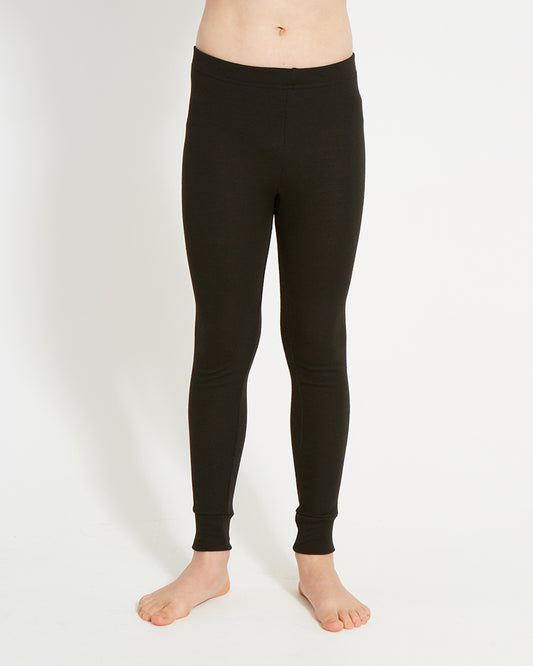
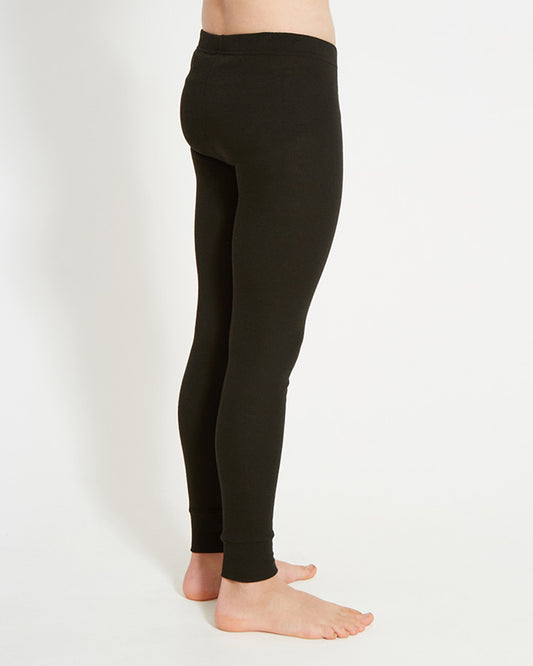
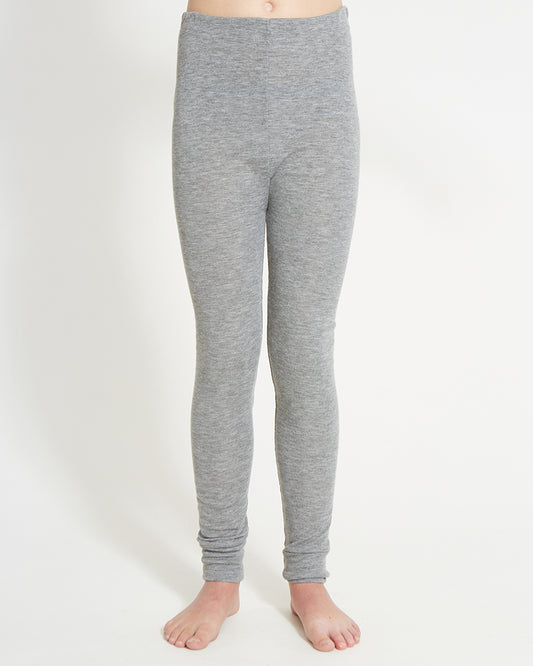
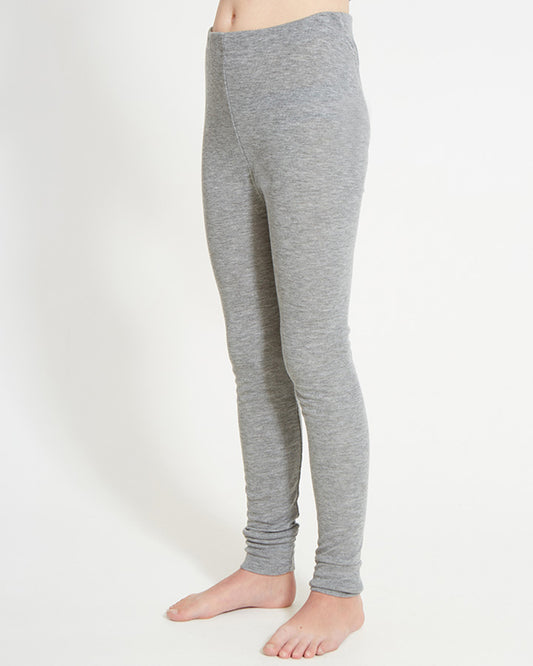
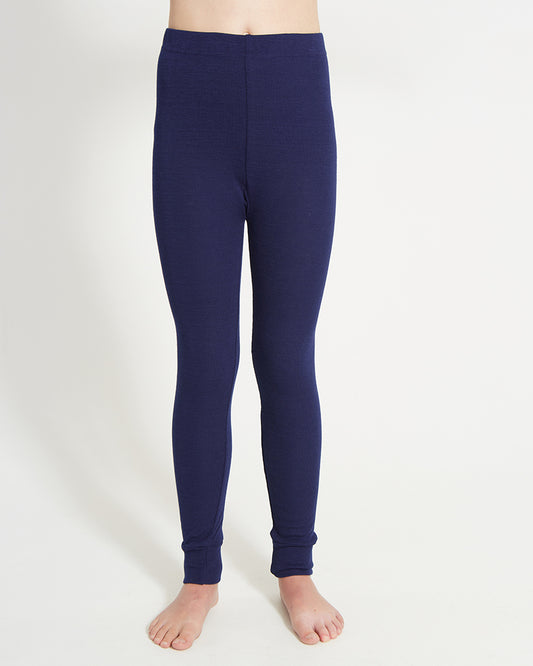
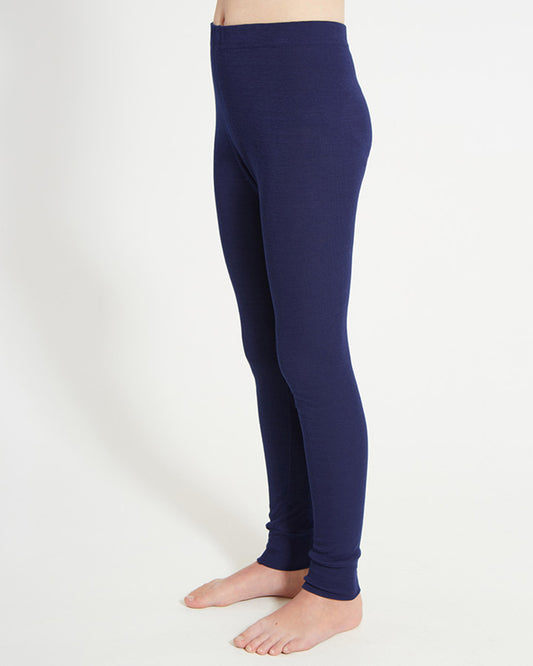
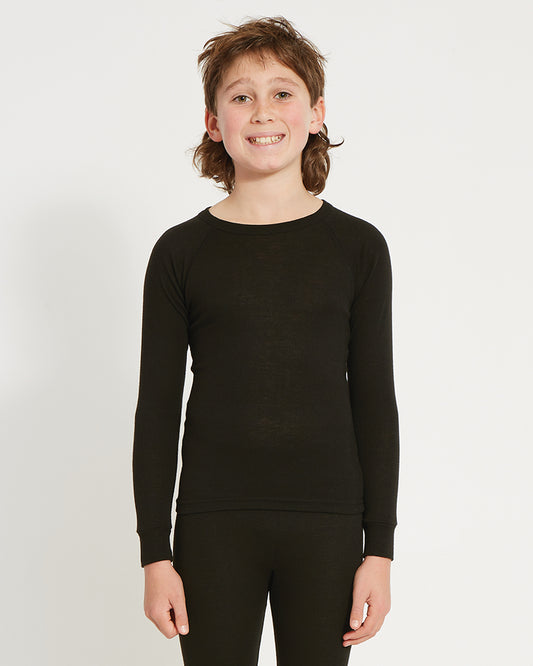
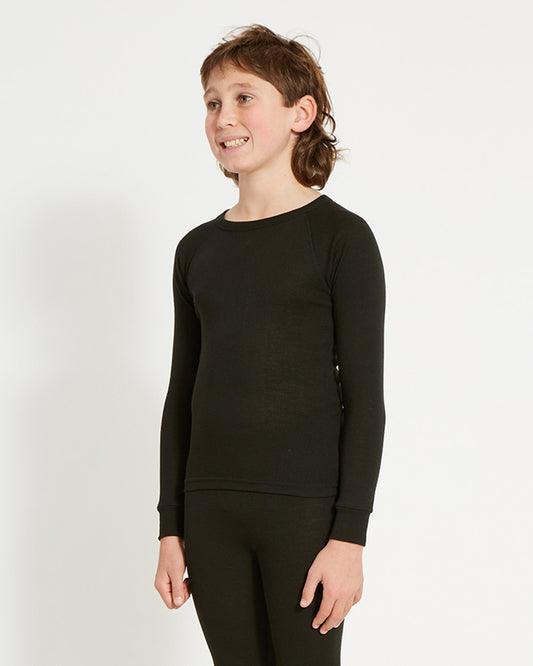
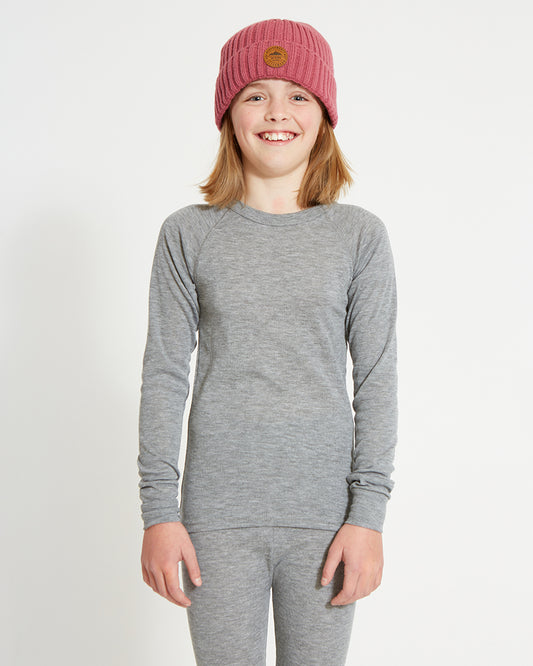
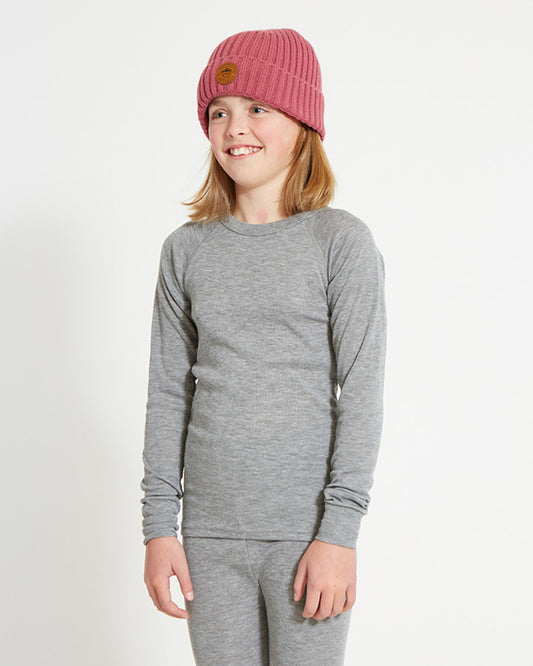
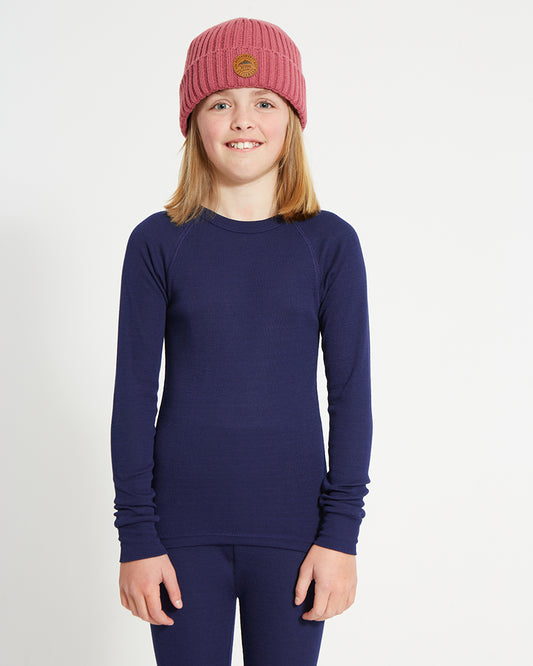
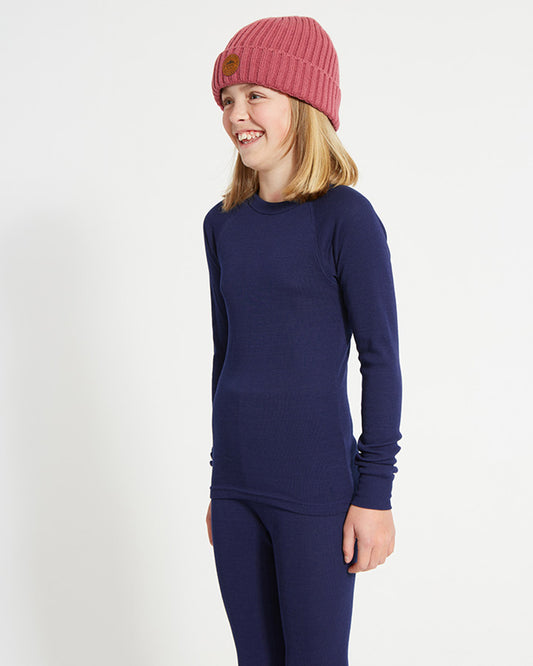
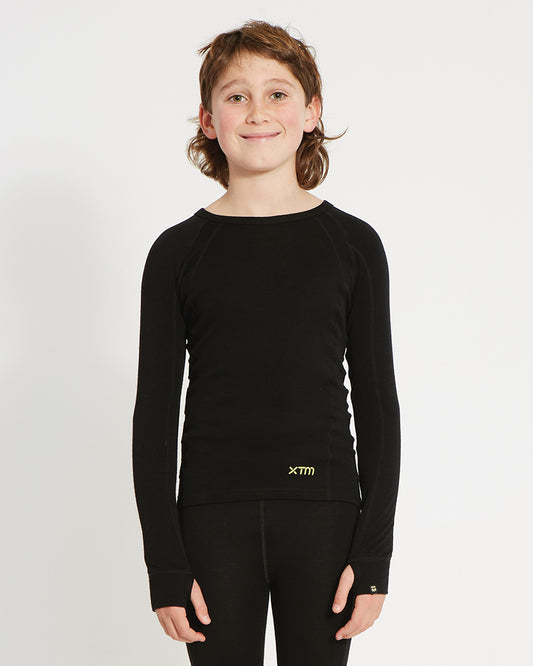
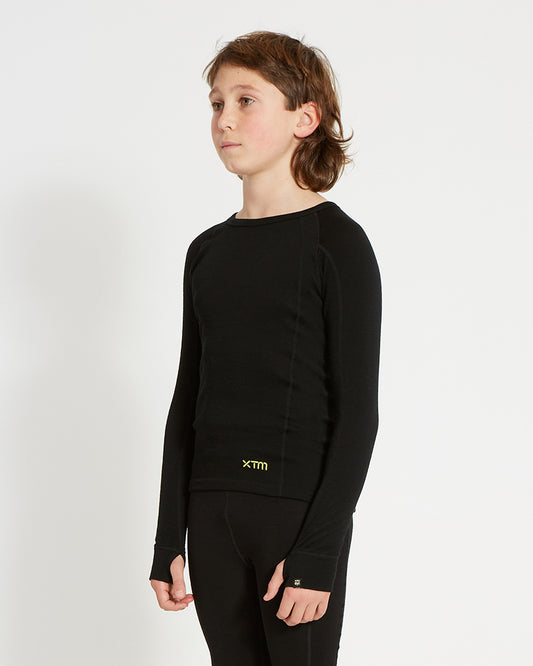
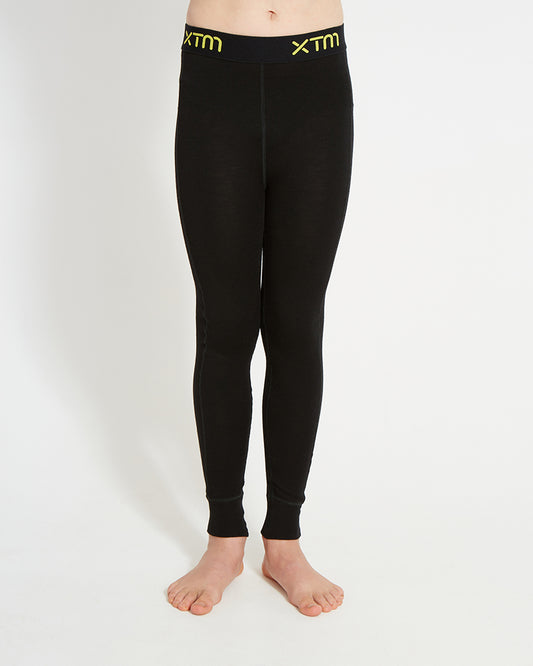
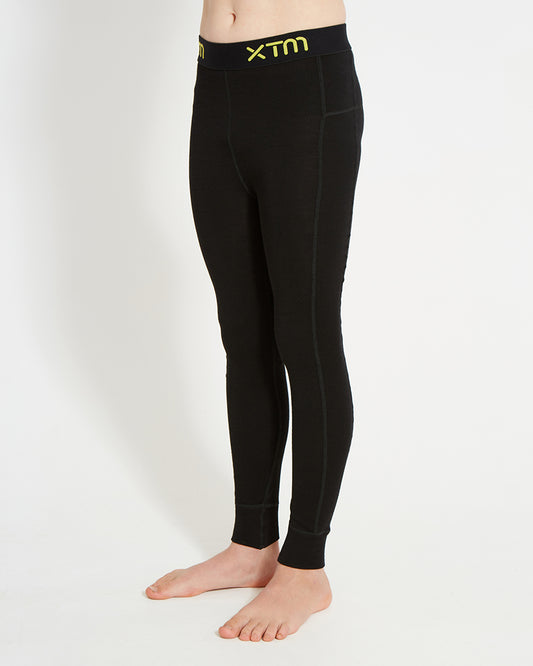
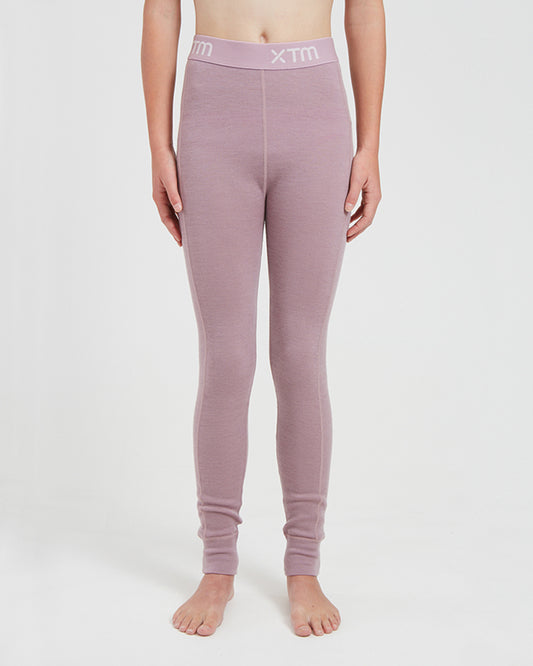
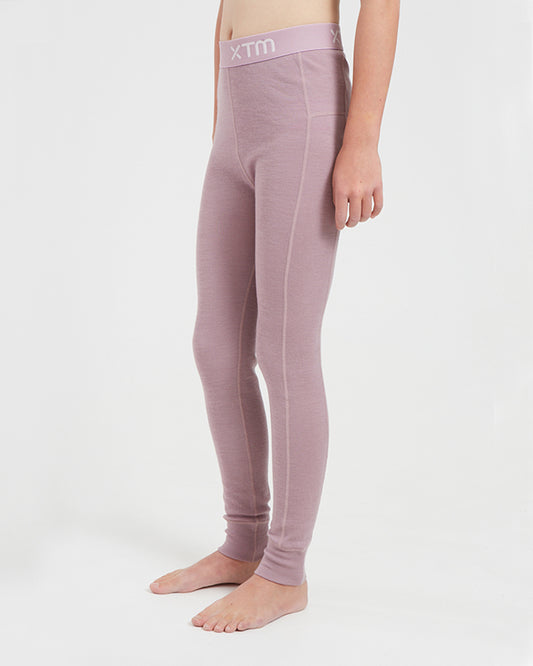
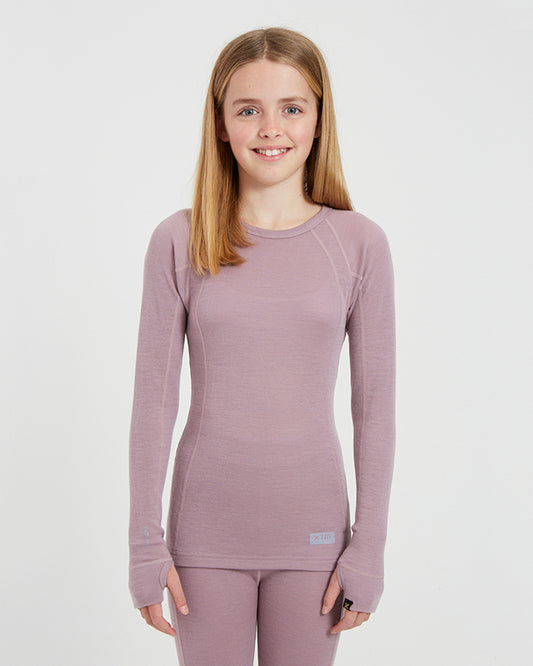
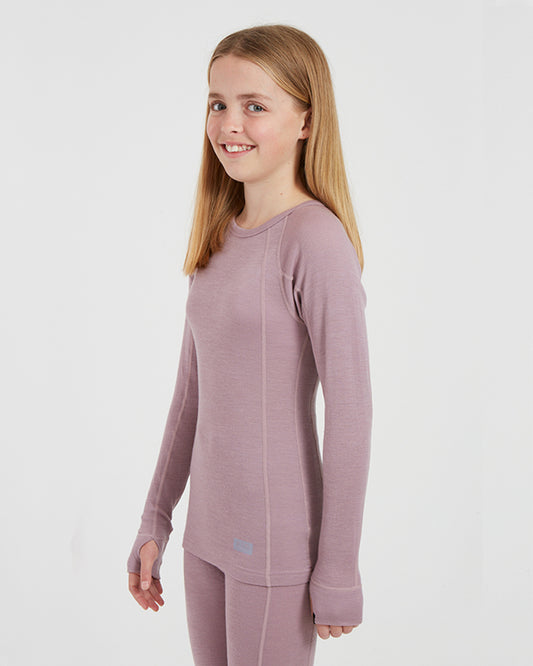
Kids should wear thermal base layers that sit close to the skin and help keep warmth in without adding too much bulk. Merino thermals are a great option for snow trips because they are warm, breathable and comfortable under snow jackets, snow pants and one-piece snow suits.
What weight merino thermals are best for kids?
For most kids’ snow trips, midweight merino is the best all-round choice because it gives warmth without being too heavy or bulky. Lightweight merino can work well for active kids or milder days, while heavier merino is better for very cold conditions, long chairlift rides or kids who feel the cold easily.
Are merino thermals warm enough for kids skiing or snowboarding?
Yes, merino thermals are a strong base layer choice for kids skiing or snowboarding. They help regulate body temperature, so kids stay warmer when it’s cold but are less likely to feel clammy once they start moving.
Should kids wear thermals under snow pants and snow jackets?
Yes, thermals should be the first layer against the skin under snow pants and snow jackets. A good base layer helps trap warmth and move moisture away from the body, which is important when kids are active in cold, wet or snowy conditions.
How do I keep my child warm at the snow?
Start with a thermal base layer, then add insulating mid layers if needed, followed by waterproof snow outerwear. Don’t forget warm socks, gloves or mittens, a beanie or helmet liner, and neckwear. The key is layering, so you can add or remove warmth as the weather and activity level changes.
Are merino thermals good for kids who get sweaty?
Yes, merino is useful for active kids because it breathes well and helps manage moisture. This matters at the snow because kids can quickly go from cold chairlifts to running, skiing, playing or hiking, and damp clothing can make them feel cold faster.